The single most useful number in wedding planning is not the total — it is the split. Once you know roughly how a budget divides between venue, catering, photography and flowers, you can price a whole wedding from the venue rate alone. Here is the breakdown we use on Brides Venues — the same ratios the planner seeds into your budget the moment you reserve a venue.
Start from the venue, not the total
Couples tend to ask 'what does a wedding cost?' when the more useful question is 'what does this venue cost, and what multiple lands the total?'. As a rule of thumb, the all-in cost of a destination wedding lands at roughly two to four times the venue rate once catering, photography, flowers and the rest are added — lower if the venue includes catering, higher for a full marquee build on a blank-canvas estate.
So price from the venue. If an estate quotes a known nightly or event rate, you can estimate the whole wedding before you have spoken to a single other vendor.
The split, line by line
Against the venue spend, the rest of the budget tends to fall into fairly predictable proportions. These are the ratios our planner uses to seed your budget — adjust them to your priorities, but they are a realistic starting point:
- Catering & bar — ~45% of the venue spend. Almost always the biggest line after the venue itself. Per-head cost rises fast with courses, wine pairings and a late bar.
- Florals & styling — ~18%. Flowers, installations, linen, lighting and tablescape. The line that quietly balloons if you let the mood-board run.
- Photography & video — ~12%. The thing you keep. Worth protecting when something has to give.
- Planning & coordination — ~10%. On-site coordinator and run-of-day management — the line that pays for itself in calm.
- Music & entertainment — ~6%. Ceremony musicians, a band or DJ, sometimes a cultural performance.
- Beauty — ~4%. Hair and make-up for the couple and often the party, plus trials.
- Logistics & transfers — ~4%. Guest and vendor transport, which matters more the further the venue is from the airport.
- Officiant — ~2%. Celebrant or officiant fee; higher if you fly someone in.
The lines couples forget
The overruns almost always come from the same overlooked places. Build these in from the start and the final invoice holds no surprises.
- Service charge and tax — many destination venues quote ++ (plus service plus tax), which can add 15–21% to every line
- A wet-weather plan — a marquee or covered alternative is a real cost, not a maybe
- Welcome dinner and farewell brunch — a destination wedding is usually three events, not one
- Guest and vendor travel — transfers, and sometimes accommodation for vendors you bring in
- Currency movement — when the venue prices in IDR, THB or EUR, the rate on your payment date is the rate that counts
Where the money is well spent — and where it isn't
Guests remember two things: how the day felt and how the food tasted. Photography preserves the first, catering delivers the second, so those are the lines to protect when the budget tightens. The spend that ages least well is over-styling — elaborate florals and printed paper that photograph for a day and are gone by morning.
“Spend on the food, the photographer and the people who keep the day calm. Everything else is negotiable.”
How to keep it honest
A budget only works if it is tracked against reality — estimated versus actual, deposits marked paid, the currency note kept in view. When you reserve on Brides Venues, the planner opens a budget pre-filled with the venue line and an estimated line for every vendor service you selected, in the venue's own currency, so you are adjusting real numbers from day one rather than guessing.
Frequently asked
Questions couples ask.
How much does a destination wedding cost?
It is most useful to price from the venue rate: an all-in destination wedding typically lands at roughly two to four times the venue cost once catering, photography, flowers and the rest are added. The multiple is lower when the venue includes catering and higher for a full marquee build.
What percentage of the wedding budget is the venue?
The venue is usually the single largest line and the anchor for everything else. Against it, catering runs about 45%, florals and styling about 18%, photography and video about 12%, and planning about 10% — useful ratios for estimating the whole budget from the venue rate.
What is the most expensive part of a wedding?
After the venue, catering and bar is almost always the largest single cost — it scales directly with guest numbers, courses and wine. Florals and styling is the line most likely to balloon beyond plan.
Should I budget for tax and service charge?
Yes. Many destination venues quote prices as ++ (plus service charge plus tax), which can add roughly 15–21% to every line. Always confirm whether a quote is net or ++ before you compare venues.
How do I track a wedding budget?
Track estimated versus actual for every line, mark deposits as paid, and watch the currency if the venue prices in a foreign one. On Brides Venues the planner builds this budget for you when you reserve, pre-filled with the venue and estimated vendor lines.
Inside Planning Guide.
Planning Guide, in motion.
Swipe the feed — moments from the story, in motion.
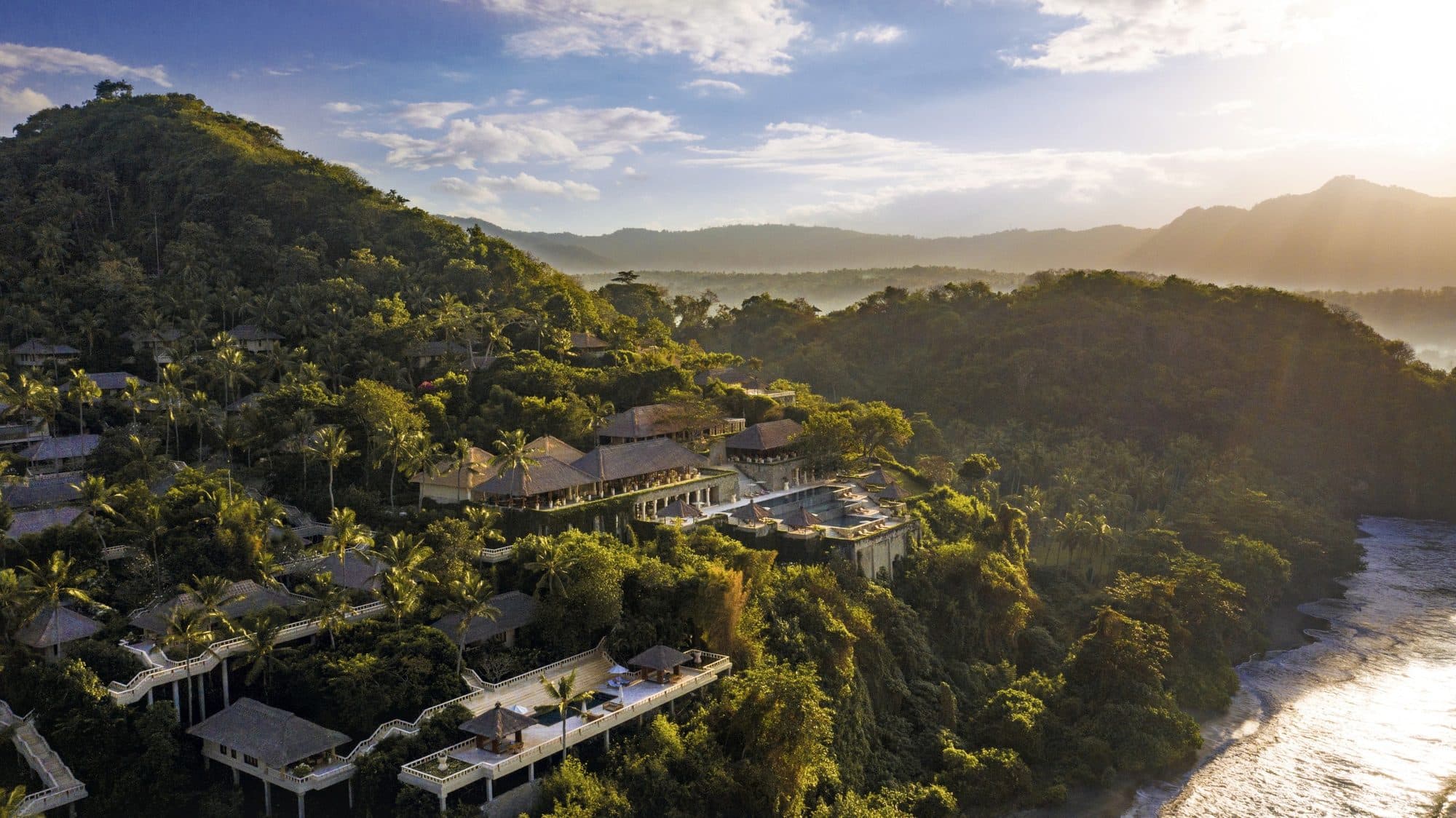
Plan this at Amankila.
Send your dates and a rough guest count — our concierge checks them with the venue and builds your shortlist, quote and itinerary. Nothing is charged until both sides confirm.
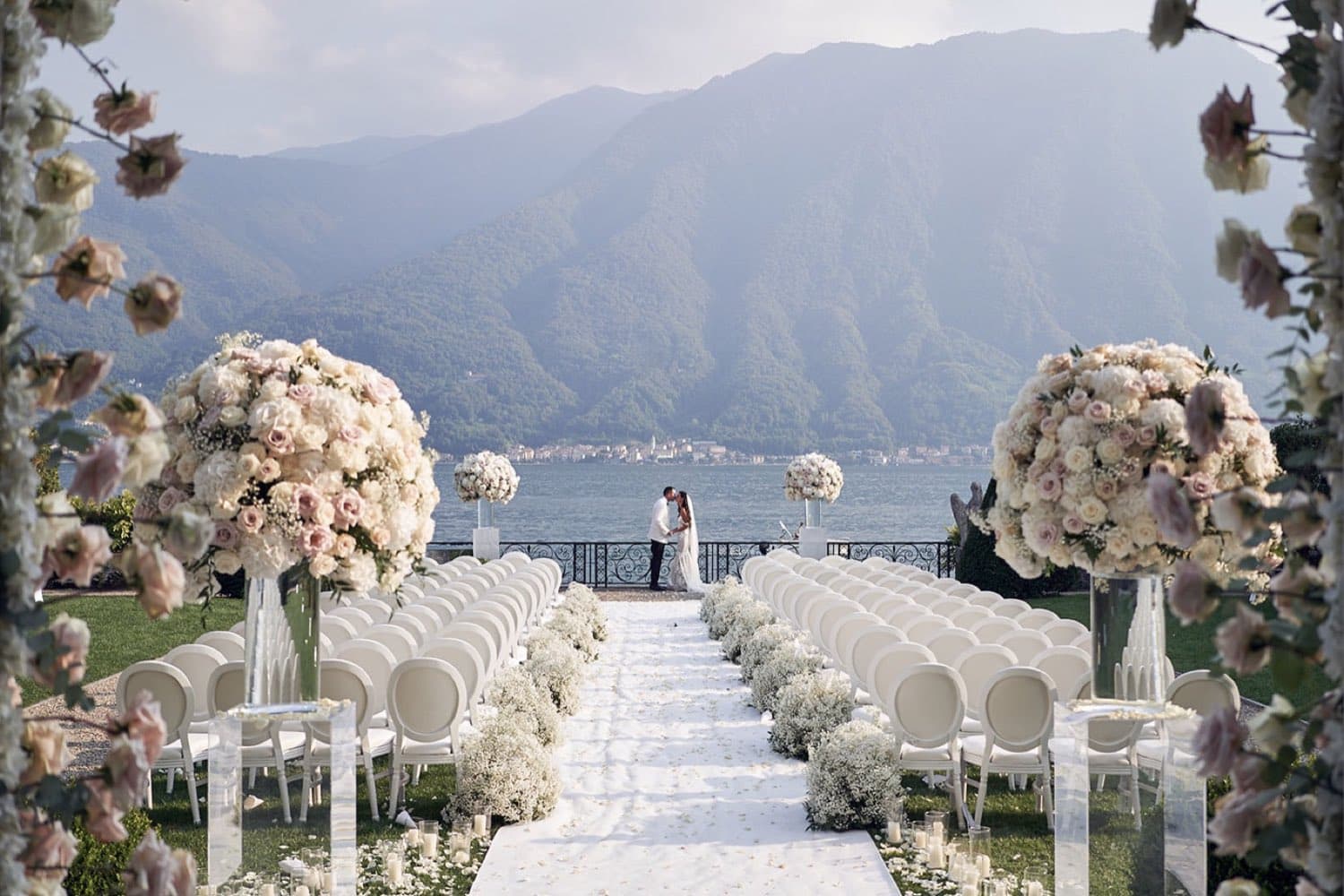
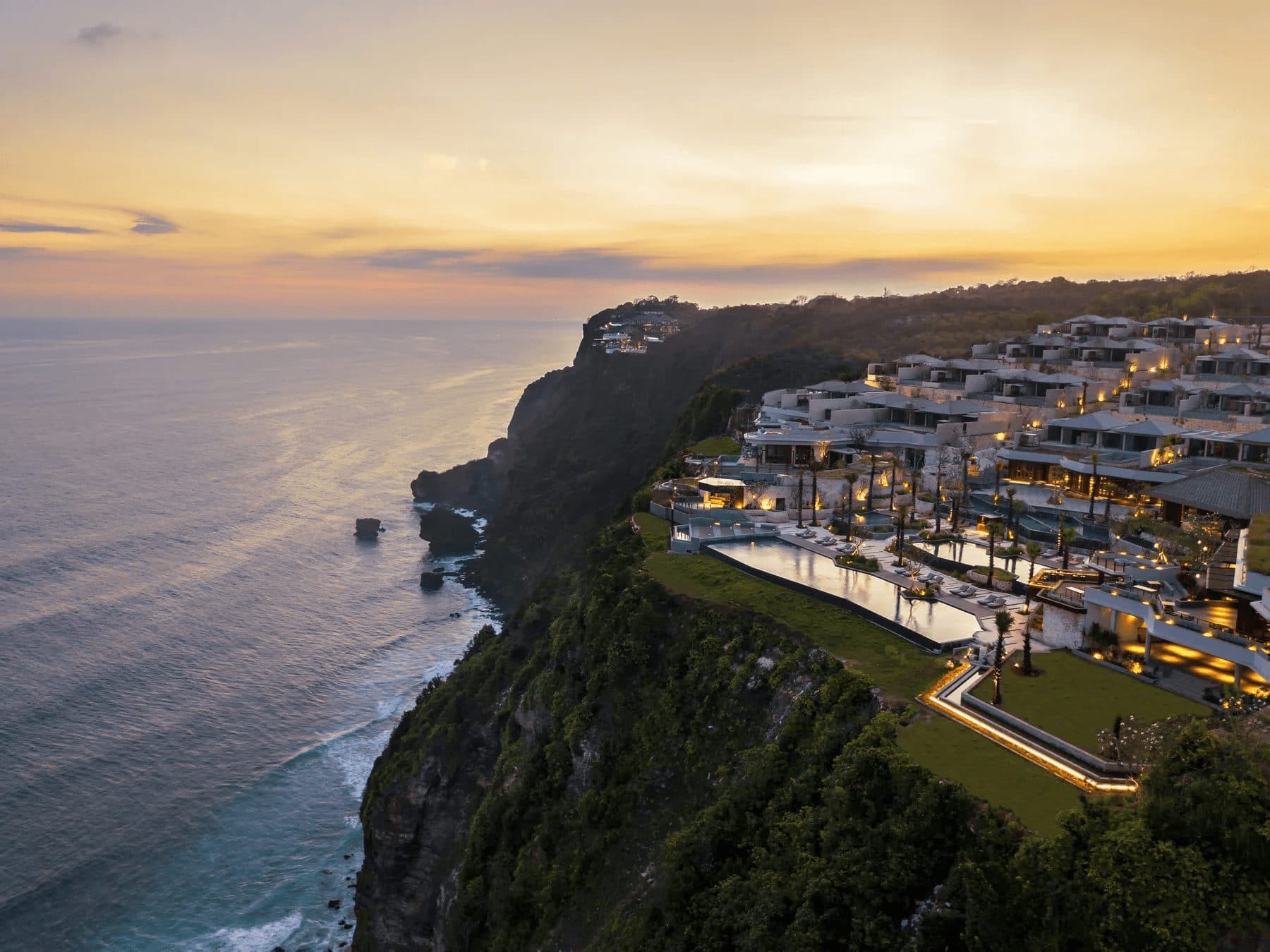
Where you could host this.
Build your team
Trusted wedding professionals in Planning Guide.
The planners, photographers and stylists who bring Planning Guide weddings to life — vetted by Brides Venues, and ready when you are.

More from the Journal.
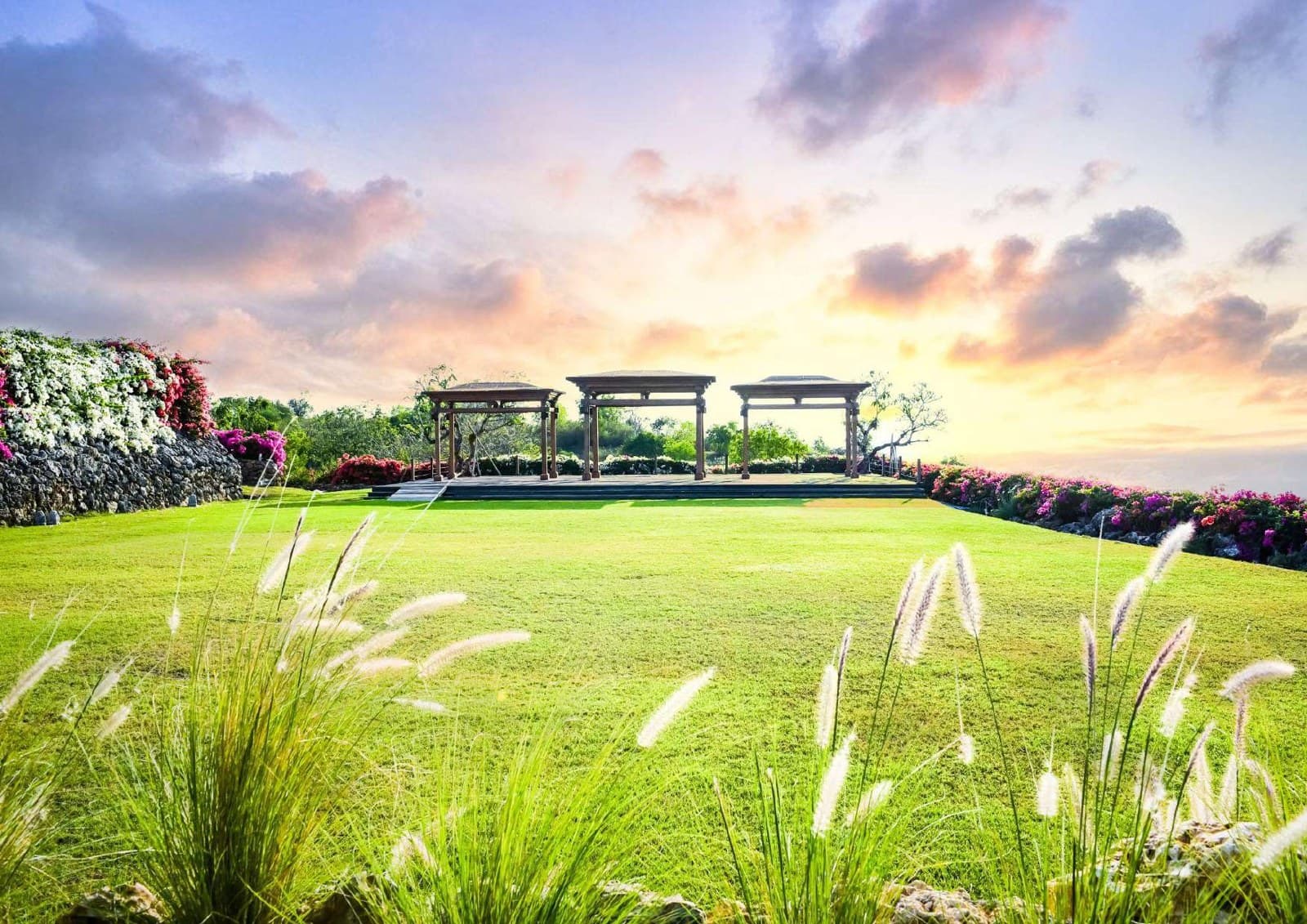
Puri Bhagawan Wedding Cost 2027: Full Price Breakdown
What a Puri Bhagawan wedding costs: catered packages from IDR 80.75M for 50 off-peak to IDR 521.5M for 300 in peak season, venue included, every bar upgrade and rule.
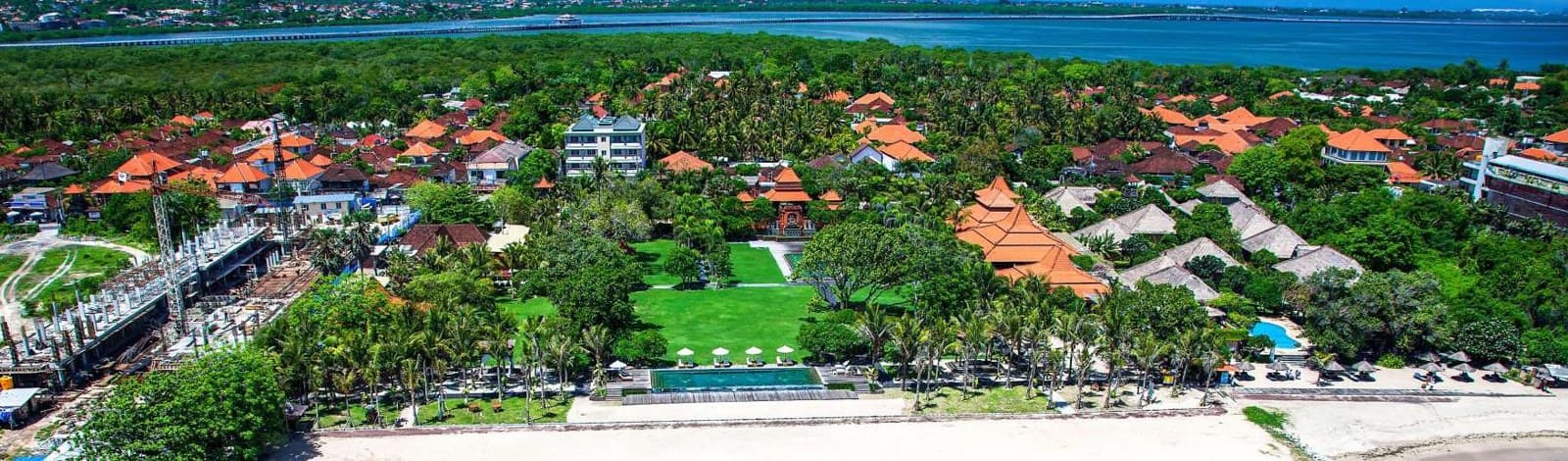
Taman Bhagawan Wedding Cost 2027: Full Price Breakdown
What a Taman Bhagawan wedding costs: catered packages from IDR 80.75M for 50 off-peak to IDR 521.5M for 300 in peak season, venue included, bar upgrades and the estate's rules.
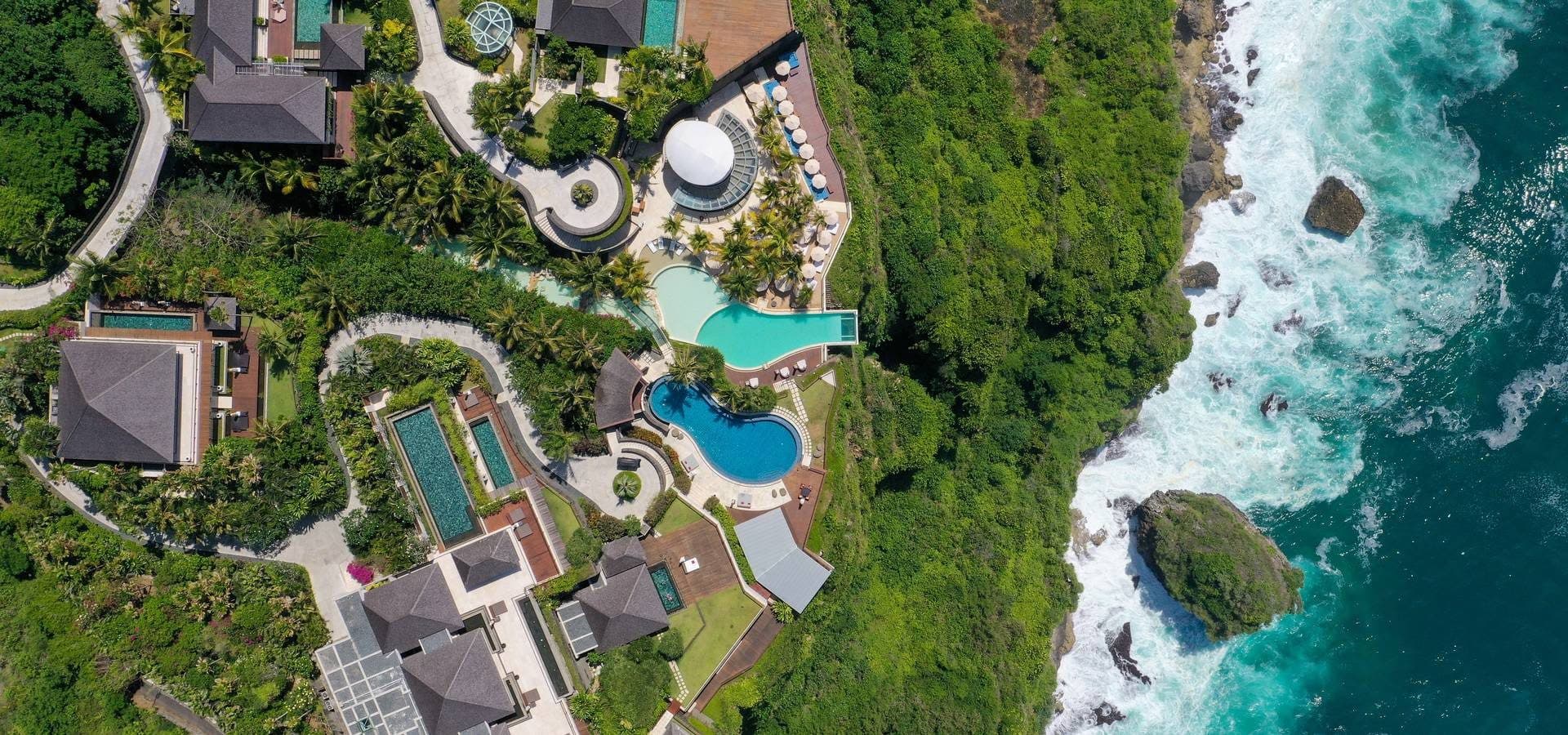
The Edge Bali Wedding Cost 2027: Full Price Breakdown
What a wedding at The Edge Bali costs in 2027: five packages from IDR 74M for 10 to IDR 685M for 150, tax included, the weekday rule and every drinks upgrade.
Save your shortlist. Let us handle the rest.
Enquiring and receiving a proposal cost nothing. Nothing is booked or charged until you say yes.