Every wedding runs backwards from a single fixed point: the date. Work back from there and the year organises itself — the venue first, the headline vendors next, the paper and the people after that, the fine details last. This is the timeline we build for every couple on Brides Venues, the same schedule our concierge works to. Read it once to see the shape of the year; then let the planner hold the dates for you.
12+ months out — the venue and the date
Everything else waits on this. The venue sets your date, your guest ceiling, your season and roughly half your budget, so it is the one decision worth making slowly and first. Shortlist three estates, visit or video-tour them, then hold your date with a deposit before someone else does — peak Saturdays at the best venues are gone twelve to eighteen months ahead.
The moment you reserve on Brides Venues, your planner opens with the date locked, a private thread to the venue's host, and the first tasks already scheduled. You are not starting from a blank page.
10–12 months — the headline vendors
Book the names that get booked out: photographer, planner or on-site coordinator, the caterer or venue chef, and your celebrant. Good destination photographers and planners take a limited number of weddings a year and fill their calendars early. Secure them now and the rest of the year has a spine.
Lock first:
- Photographer & videographer — the most-booked-out vendor of all
- Planner / on-site coordinator — your single point of contact on the ground
- Catering or the venue's chef — and pencil in a tasting date
- Celebrant or officiant — especially if you want a specific person
8–9 months — save-the-dates & the look
Send save-the-dates now — a destination wedding asks guests to book flights and leave, so they need the runway. This is also when you settle the aesthetic and brief your florist with a mood-board, so styling, stationery and lighting can all pull in one direction.
6–7 months — guests, attire, travel
Finalise the guest list (the number drives everything downstream), order attire while there is time for fittings, and sort the travel: block a room allocation at the venue or nearby hotels, and brief your coordinator on airport transfers. For a destination wedding, looking after your guests' logistics is half the gift.
3–5 months — menu, paper, details
Taste the menu and confirm it, send the formal invitations with RSVP details, open your registry, and book the smaller acts — music, beauty trials, transport, any cultural elements you want woven in. These are the layers that make the day feel like yours rather than a template.
6–8 weeks — the headcount turns real
RSVPs come in, dietaries get collected, and the seating chart finally has names on it. Give your venue the final headcount on their deadline — catering, rentals and staffing all key off this number. This is the most administrative stretch of the year, and the one a planner saves you the most on.
“A wedding is built backwards from the date, and lost in the last six weeks. Get the headcount and the seating right and the rest holds.”
— From our concierge desk
The final fortnight — hand it to the team
Approve the run-sheet, walk through the welcome dinner and ceremony with your coordinator, pack, and travel out. From here the on-site team takes over: vendors arrive to a schedule, your coordinator runs the day, and you get to be a guest at your own wedding.
Frequently asked
Questions couples ask.
How far in advance should I book a destination wedding venue?
Twelve to eighteen months ahead for peak dates. The venue sets your date, guest ceiling, season and roughly half your budget, so it is the first and slowest decision. The best estates' Saturdays in high season are gone well over a year out.
What should I book first when planning a wedding?
The venue and date, then the headline vendors that fill their calendars early — photographer, planner or coordinator, caterer or venue chef, and celebrant. Everything else (paper, styling, details) can follow once those are locked.
When should save-the-dates and invitations go out?
Save-the-dates around eight to nine months before a destination wedding, so guests can book flights and time off. Formal invitations with RSVP details go out roughly three to four months ahead.
When is the final guest headcount due?
Most venues want the final number six to eight weeks before the wedding, because catering, rentals and staffing all key off it. Collect RSVPs and dietaries, finalise the seating chart, then confirm the headcount on the venue's deadline.
Can a wedding planner handle this timeline for me?
Yes. On Brides Venues, reserving a venue automatically builds this checklist around your date, opens a private thread with the venue, and assigns a concierge who tracks each milestone — so the schedule runs without you holding all of it in your head.
Inside Planning Guide.
Planning Guide, in motion.
Swipe the feed — moments from the story, in motion.
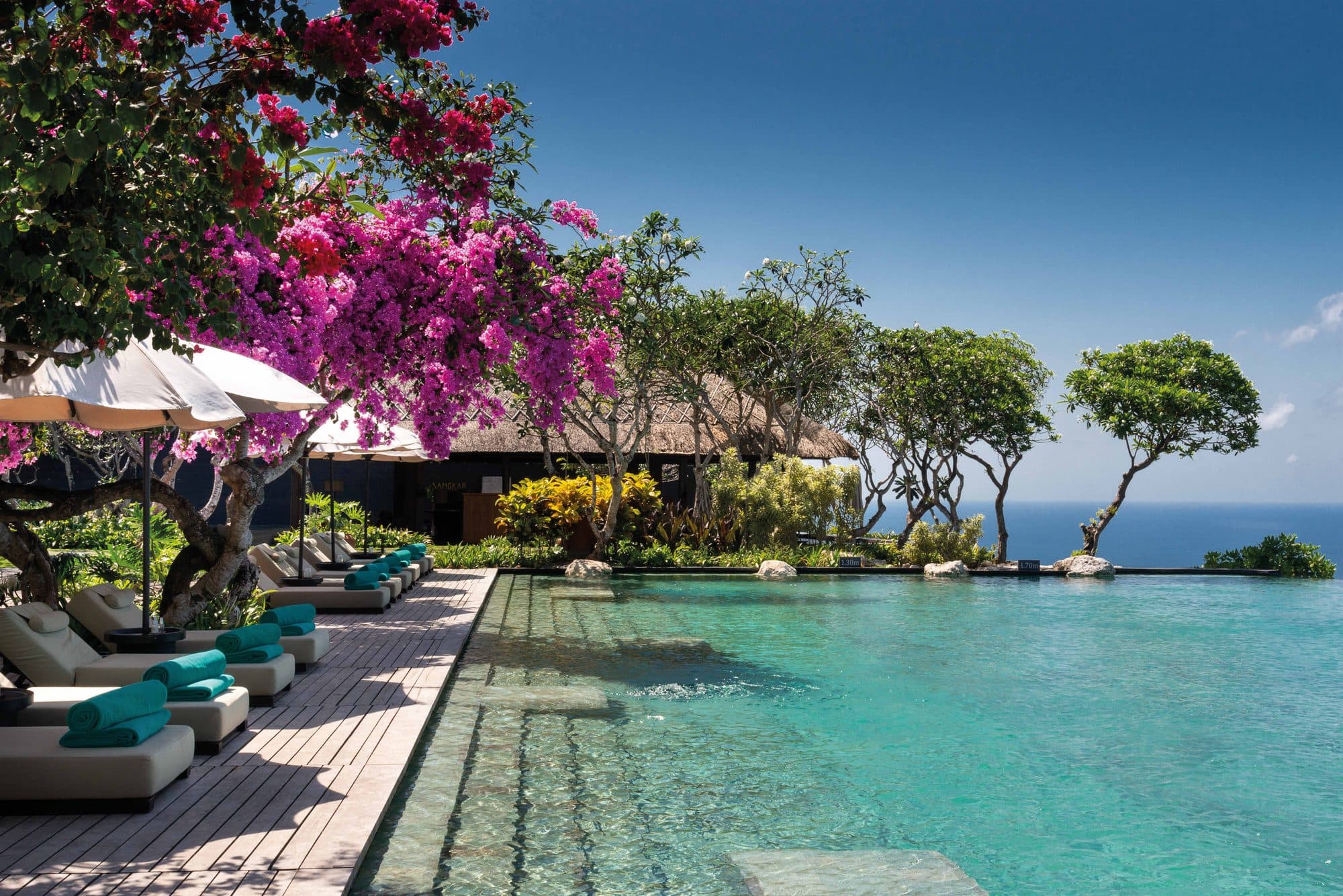
Plan this at Bulgari Resort Bali.
Send your dates and a rough guest count — our concierge checks them with the venue and builds your shortlist, quote and itinerary. Nothing is charged until both sides confirm.
Where you could host this.
Build your team
Trusted wedding professionals in Planning Guide.
The planners, photographers and stylists who bring Planning Guide weddings to life — vetted by Brides Venues, and ready when you are.


More from the Journal.

Puri Bhagawan Wedding Cost 2027: Full Price Breakdown
What a Puri Bhagawan wedding costs: catered packages from IDR 80.75M for 50 off-peak to IDR 521.5M for 300 in peak season, venue included, every bar upgrade and rule.
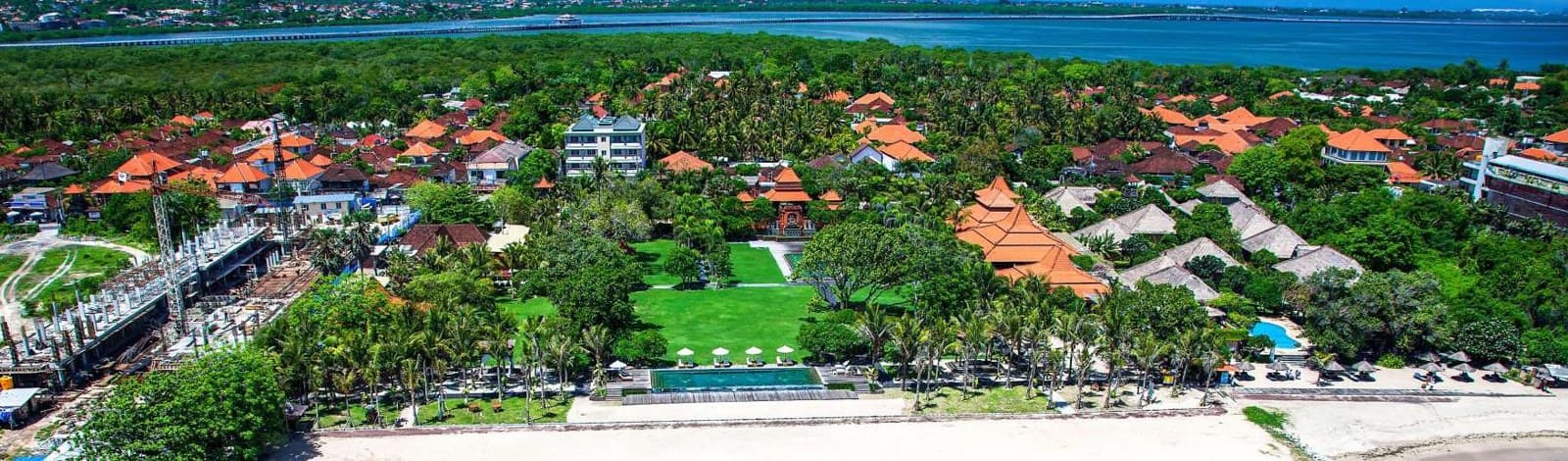
Taman Bhagawan Wedding Cost 2027: Full Price Breakdown
What a Taman Bhagawan wedding costs: catered packages from IDR 80.75M for 50 off-peak to IDR 521.5M for 300 in peak season, venue included, bar upgrades and the estate's rules.
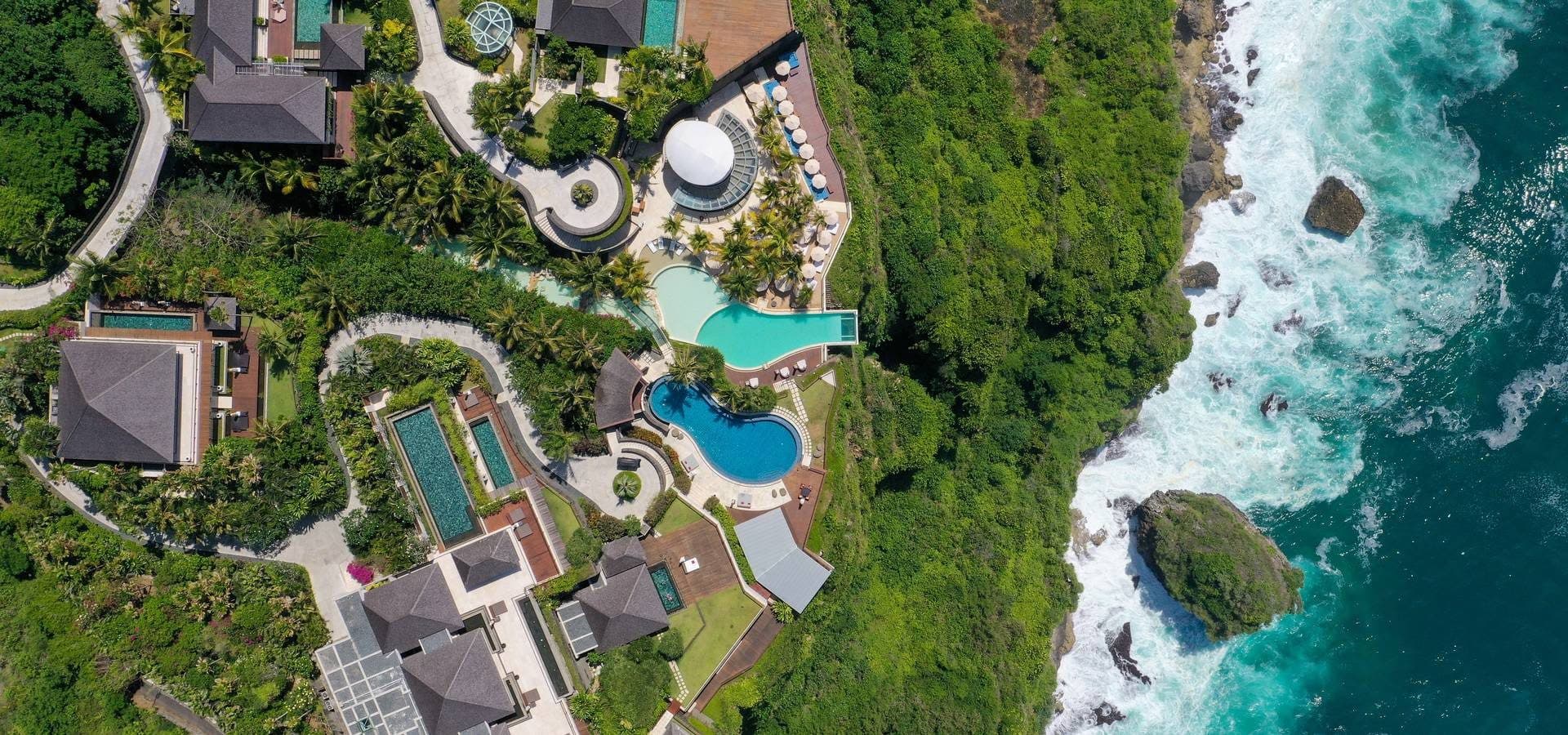
The Edge Bali Wedding Cost 2027: Full Price Breakdown
What a wedding at The Edge Bali costs in 2027: five packages from IDR 74M for 10 to IDR 685M for 150, tax included, the weekday rule and every drinks upgrade.
Save your shortlist. Let us handle the rest.
Enquiring and receiving a proposal cost nothing. Nothing is booked or charged until you say yes.